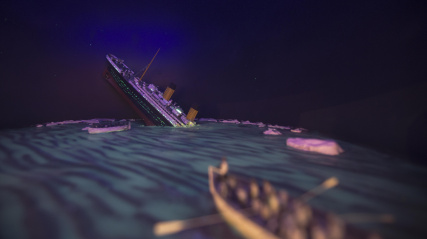
“Hold up the train. Munitions ship on fire and making for Pier 6 ... Goodbye boys.
”

Photo Caption
Vincent Coleman
Photo Credit
Nova Scotia Archives 230.1, N-6198
Coleman worked in a deceptively small wooden station in the middle of the Richmond rail yards a few feet from the harbour. His job was to control rail traffic generated by the crowded wartime harbour of Halifax. He dispatched countless trains, directing freight into ship-filled wharves. Some of the trains carried soldiers and hospital supplies arriving from Pier 2 ocean liner terminal.
As Coleman relieved the night dispatcher at the telegraph, off in the distance there was a muffled crash, followed by a column of black smoke rising above the rows of parked freight cars in front of the station. The French munitions ship Mont-Blanc had caught fire after a collision. Suddenly a sailor burst through the door. He warned everyone that the burning ship was full of ammunition and about to explode. The sailor had been sent ashore by a naval officer responding to the blaze, one of the few people who knew of its deadly cargo. Coleman started to leave with his boss, William Lovett, but then Coleman turned back to use the telegraph key to send his famous message.

Photo Caption
Vincent Coleman's neighbourhood
Photo Credit
Nova Scotia Archives, Notman Collection
Coleman was especially worried about Passenger Train No. 10, the overnight train from Saint John, New Brunswick. It had about 300 people aboard and was due in Halifax at 8:55 am. Within minutes it was scheduled to pass by the North Street Station directly in front of the blazing Mont-Blanc. The newspapers of the day recorded slight variations on the exact wording of Coleman's message, but its content is consistently reported as:
“Hold up the train. Ammunition ship afire in harbor making for Pier 6 and will explode. Guess this will be my last message. Good-bye boys.”
Clearly Coleman knew the explosion was imminent. He signed off with a telegraph shorthand for "Goodbye Boys".

Photo Caption
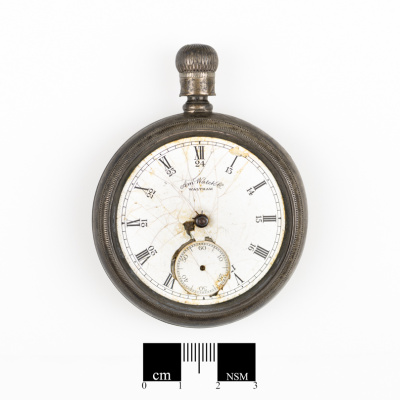
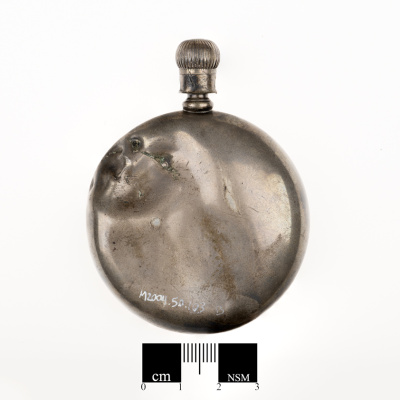
Vincent Coleman's watch. MMA, M2004.50.103b
Explosion
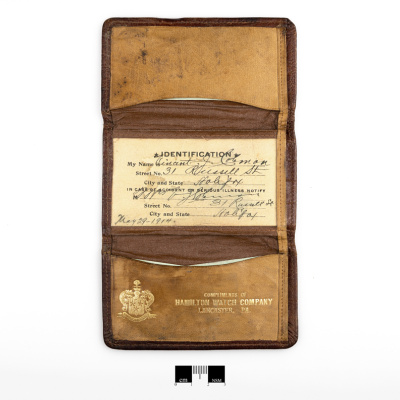
At 9:05 am, Mont-Blanc exploded. Pier 6 and the ship vanished in a column of flame. Rows of boxcars were vaporized while others were hurled through the air. Coleman's station, a mere 750 feet from the centre of the blast, disappeared. It was crushed by the blast and buried in debris from the railway yard. Water stains from the resulting tidal waves can be seen on his wallet at the Maritime Museum of the Atlantic. His watch speaks grimly of the violent forces which descended on Coleman as its crystal and hands are blown away and its back is pounded in as if by hammers. Coleman likely died instantly at his telegraph key.
The message sent by Coleman went out on the railway telegraph line and would have been heard by every station from Halifax to Truro. Each station would have quickly moved the order boards to the "Stop!" position. All Halifax bound trains halted as soon as they approached their next station.

Photo Caption
Looking north towards Pier 8 after the Halifax Harbour Explosion.
Photo Credit
MMA, W.G. MacLaughlan photo, M90.56.1.
Results
Did Coleman really stop Train No. 10 and save the 300 people aboard? The record is unclear. A detailed account of what happened aboard Train No. 10 was gathered from interviews of passengers and crew by Archibald MacMechan in 1917 and published in Graham Metson's 1978 book The Halifax Explosion December 6, 1917. According to MacMechan, the train was past the point where it could be stopped because it had already passed the Rockingham station, the last station before Richmond. Fortunately, it was running a few minutes late and was far enough from the explosion, so the blast inflicted only broken windows and minor injuries.
However, a recent railway history, Built for War: Canada's Intercolonial by Jay Underwood, records an article in the December 7, 1917 Moncton Transcript newspaper which indicates that Coleman did stop the train:
"Conductor Gillespie Had a Marvelous Escape From Death—Conductor Gillespie, who went to Halifax on No. 10 Express on Thursday morning, arrived in Moncton this morning in charge of No. 9 Express from Halifax. Conductor Gillespie had a narrow escape from death. His train was running on time, but was held fifteen minutes by the dispatcher at Rockingham. He says, that the explosion blew the windows out of the train at Rockingham some 4 miles from Halifax. All the crew of No. 10 are safe." While there may be debate whether Coleman actually stopped Train No. 10, that was his intention and he clearly halted all the other inbound freight and passenger trains. It is also important to remember that Coleman's message had a second, arguably more important effect. He alerted the entire Intercolonial to this catastrophe. Otherwise, the lines would just have gone dead and hours would have been wasted figuring out what was wrong in Halifax.
Coleman’s message, followed about an hour later by a more detailed call for help from Halifax, thrust the railway system into action. That day, six separate relief trains were dispatched from Truro, Kentville, Amherst, New Glasgow, and Moncton. They carried firefighters, doctors, nurses, and medical supplies to Halifax. This help, in the vital first hours was critical to the fate of hundreds of lives as a snowstorm the next day slowed everything down. The American relief trains arrived two days later.
The rapid railway response allowed heavy equipment and construction crews to mobilize in Halifax with remarkable speed. Within a week, the battered wartime port of Halifax was back in action, and trains rumbled through the ruins of Richmond bringing passengers to the repaired North End station.

Photo Caption
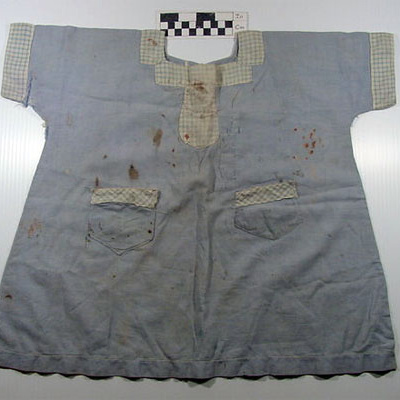
Eileen Coleman's Dress
Photo Credit
Maritime Museum of the Atlantic, M2004.54.1, Gift of Janette
Coleman's Family
The home that Vincent Coleman had left that morning was only 2000 feet from Ground Zero. The Coleman house was wrecked and then burned by the explosion. The kitchen sink crashed down on two-year-old Eileen Coleman, badly cutting her neck and leaving her little blue dress spattered with bloodstains that you can see to this day.
Frances suffered serious back injuries. Her two older children, Gerald and Eleanor, rushed home from school to take their mother and sister to Gottingen Street where soldiers took them to the Camp Hill Hospital. Frances and all four of her children survived and recovered.
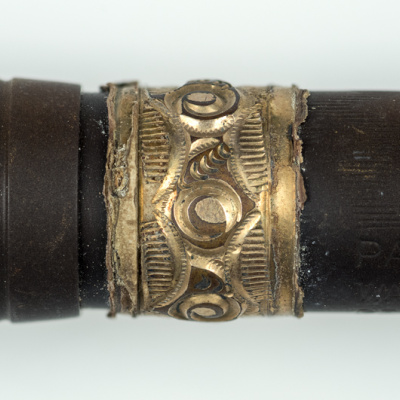
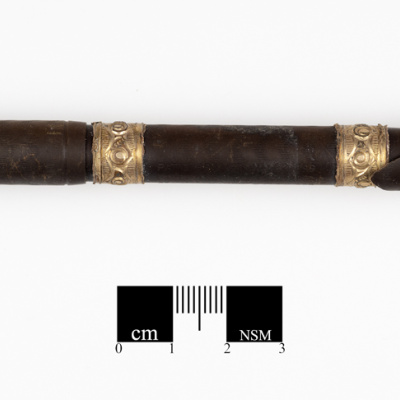
A few days later, searchers found Vincent Coleman's body in the wreckage of the Richmond rail yards. Frances was presented with the telegraph key, the watch, and the pen of her husband. Years later she donated them to the Public Archives of Nova Scotia. They were transferred to the Maritime Museum of the Atlantic in 2005. The same year, the Coleman family donated Vincent's wallet and Eileen's dress.

Photo Caption
YMCA Emergency Hospital
Photo Credit
MMA, Kitz Collection, N-15,034
Vincent Coleman
-
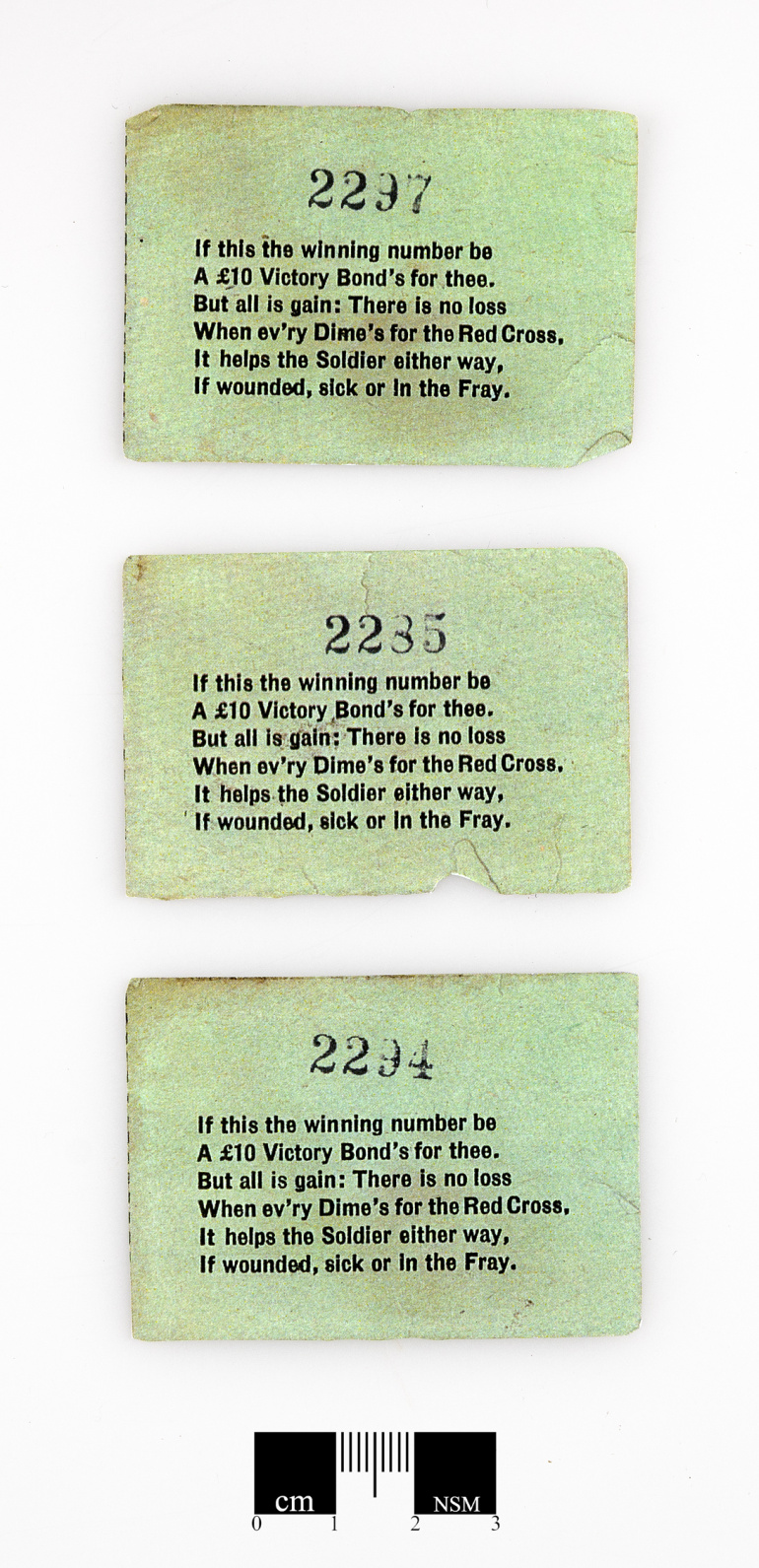
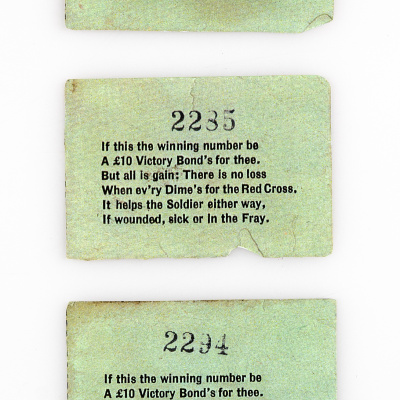
Vincent Coleman's raffle tickets M2004.54.2, Gift of Janette Snooks -
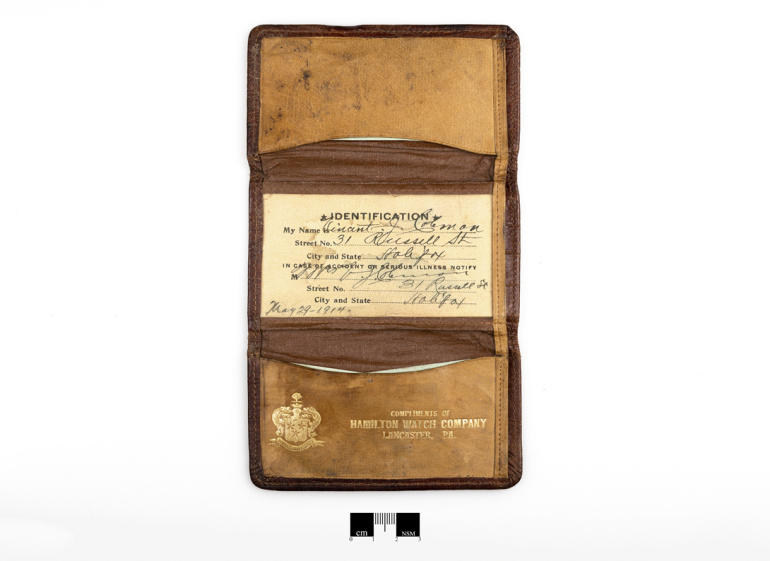
Vincent Coleman's wallet. M2004.54.2, Gift of Janette Snooks -
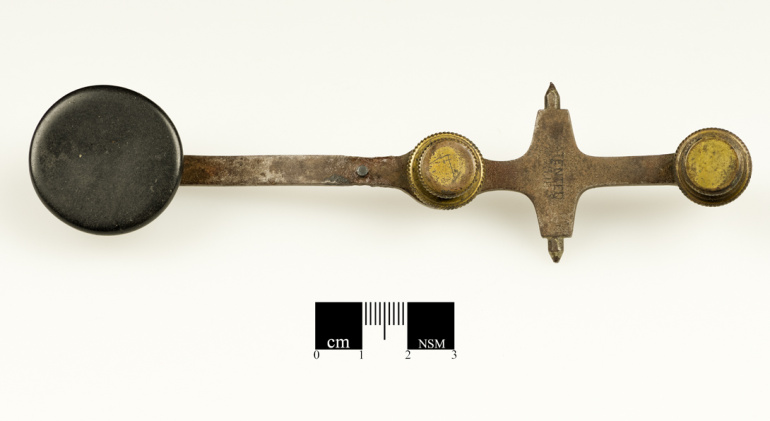
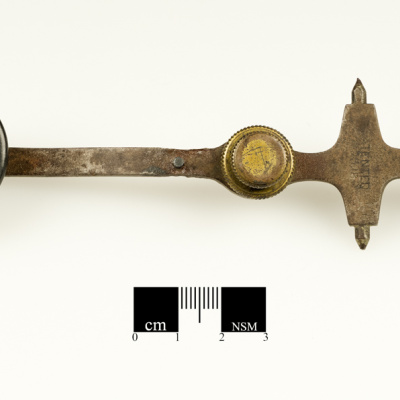
Vincent Coleman's telegraph key, recovered from the wreckage of the station. M2004.50.103a -
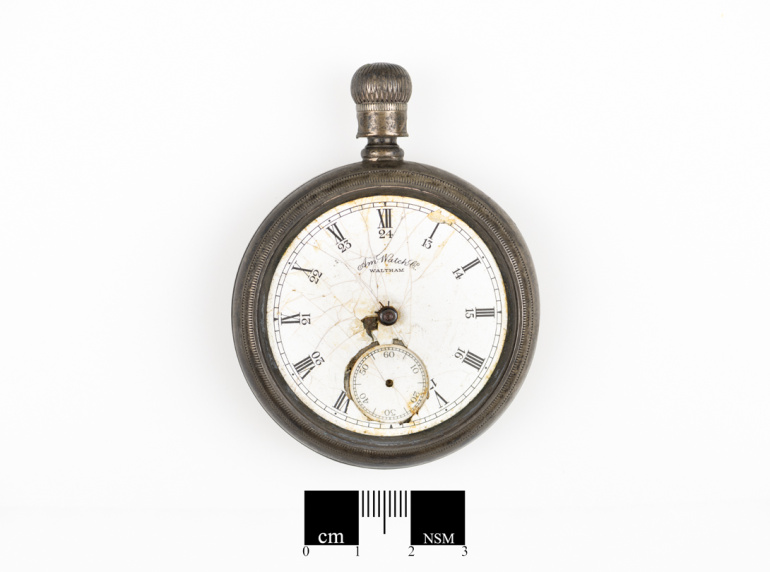
Vincent Coleman's Watch, front. M2004.50.103b -
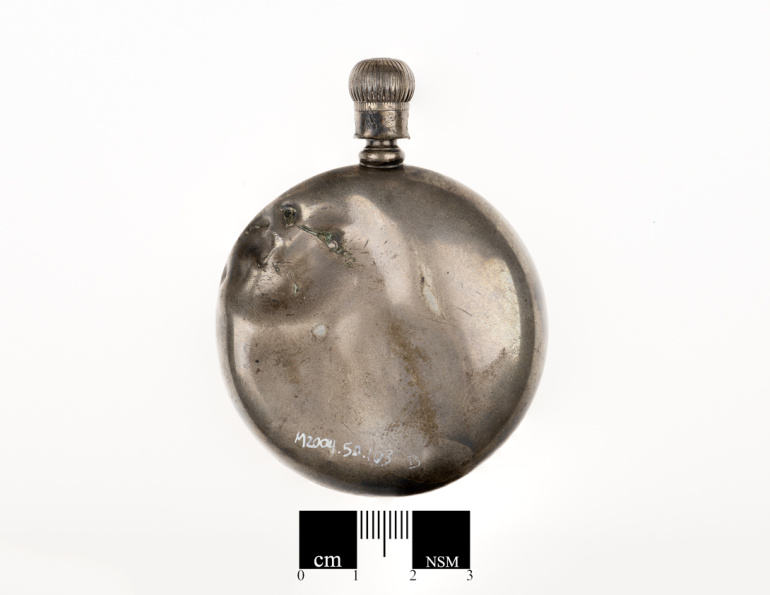
Vincent Coleman's Watch, back. M2004.50.103b -
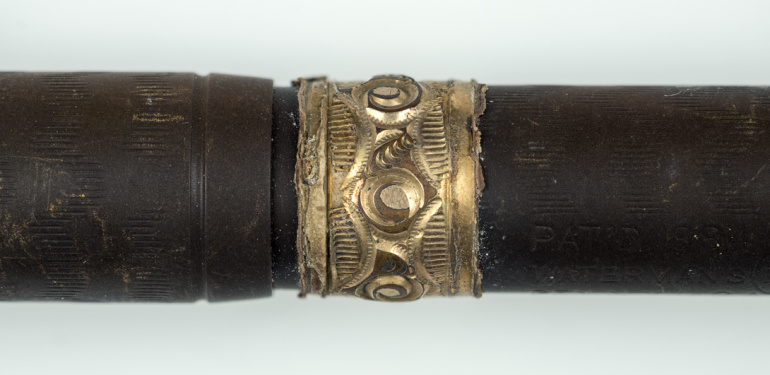
Vincent Coleman's pen M2004.50.103c -
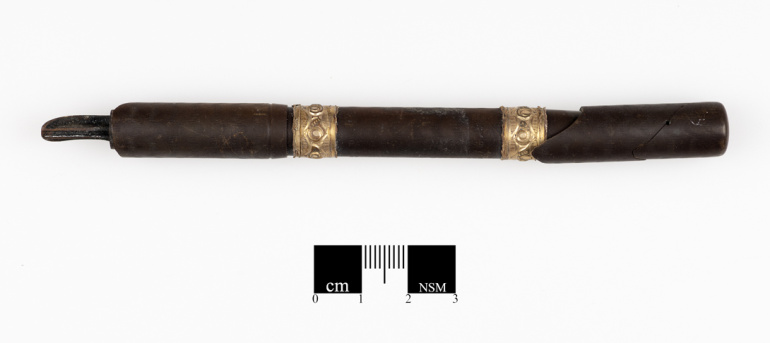
Vincent Coleman's pen M2004.50.103c -
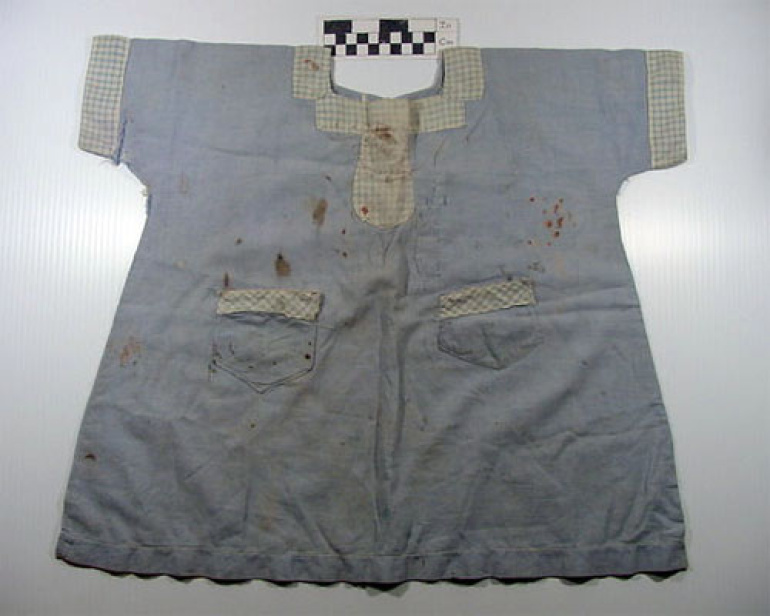
Eileen Coleman's Dress Maritime Museum of the Atlantic, M2004.54.1, Gift of Janette